Do You Need Council Approval To Remove A Tree In NSW?
A1 Tree Services NSW • September 24, 2026
In most parts of NSW, you need council approval before removing a tree, but the rules vary significantly by council, and tree removal in Dubbo follows a different set of rules to many other local government areas. Dubbo Regional Council does not operate a blanket Tree Preservation Order over private land, but that doesn't mean removal is a free-for-all. Understanding exactly where the line sits protects you from fines and protects the tree canopy that makes Dubbo liveable.
What Is a Tree Preservation Order in NSW?
A Tree Preservation Order (TPO) is a legal mechanism councils use to protect trees above a certain size, species or significance from being cut down, lopped, ringbarked or otherwise damaged without consent. Historically, TPOs were standalone council resolutions. Today, most NSW councils fold tree protection into their Development Control Plan (DCP) instead, setting out protected species, size thresholds and the application process for removal.
The effect is the same either way. If a tree falls within the protected criteria, you need written council consent before touching it. Ignore that requirement and you're exposed to enforcement action regardless of whether the council calls its instrument a "TPO" or a "tree management chapter."
Does Dubbo Regional Council Have a Tree Preservation Order?
Dubbo Regional Council takes a different approach to many metropolitan councils. Property owners are responsible for maintaining trees on their own land, and there is currently no general Tree Preservation Order covering all private trees across the region. In practice, this means the average backyard tree in Dubbo can usually be removed without lodging a formal council application.
The exception is trees listed on Council's Significant Tree Register. This register protects individual trees or groups of trees that hold particular value, whether that's a remnant of the original landscape, an endangered species, a tree of Aboriginal cultural significance or simply a rare or outstanding specimen. If a tree on your property appears on this register, you'll need to contact Dubbo Regional Council directly before doing any work on it.
For anyone servicing properties across the wider Central West, it's worth noting the picture changes quickly outside the Dubbo Regional Council boundary. Narromine, Bourke, Coonamble, Warrumbungle, Warren and Walgett Shire Councils all require approval before removing, cutting, ringbarking or lopping trees on private land, so a rule that applies in one town won't necessarily apply in the next.
When Do You Need Council Approval to Remove a Tree?
For Dubbo residents, council approval for tree removal comes down to one main trigger: whether the tree is on the Significant Tree Register. Outside of that register, Dubbo's approach differs from councils that assess every tree over a certain trunk diameter or canopy spread.
That said, a few other situations can still bring council into the picture:
- Development applications. If your tree removal is connected to a subdivision, building works or a DA, tree impacts are usually assessed as part of that broader approval.
- Street trees. Trees on the nature strip or public land are managed by Council, not the adjoining property owner, and any removal request needs to go through Council's request system.
- Heritage-listed properties. Trees contributing to a heritage listing may attract additional scrutiny even without a formal TPO.
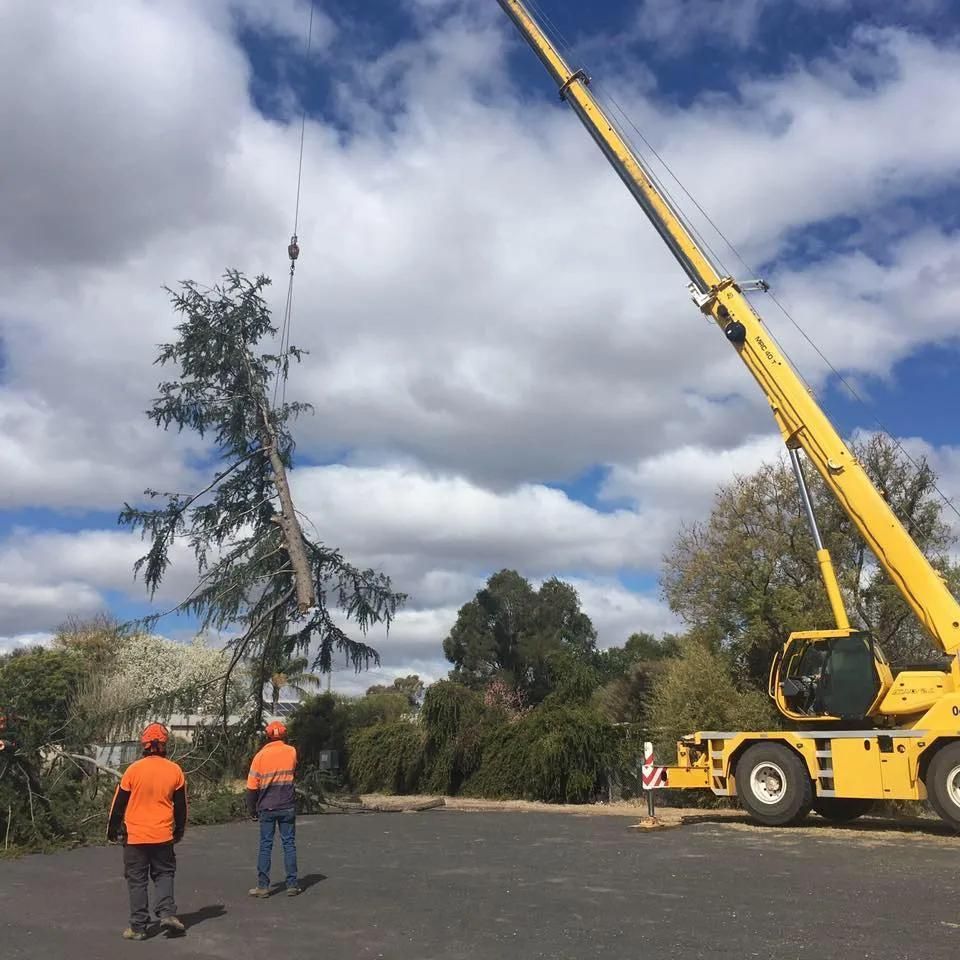
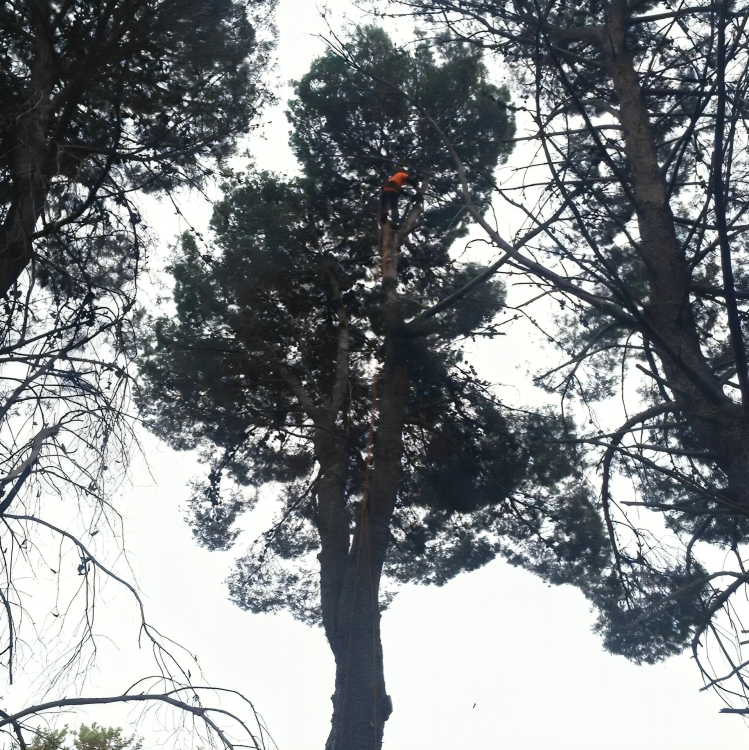
If your situation touches any of these, it's worth getting a professional opinion before machinery arrives. A qualified arborist can assess whether your tree qualifies for the kind of approved tree removal Dubbo residents can arrange without delay or penalties.
When Can You Remove a Tree Without Council Approval?
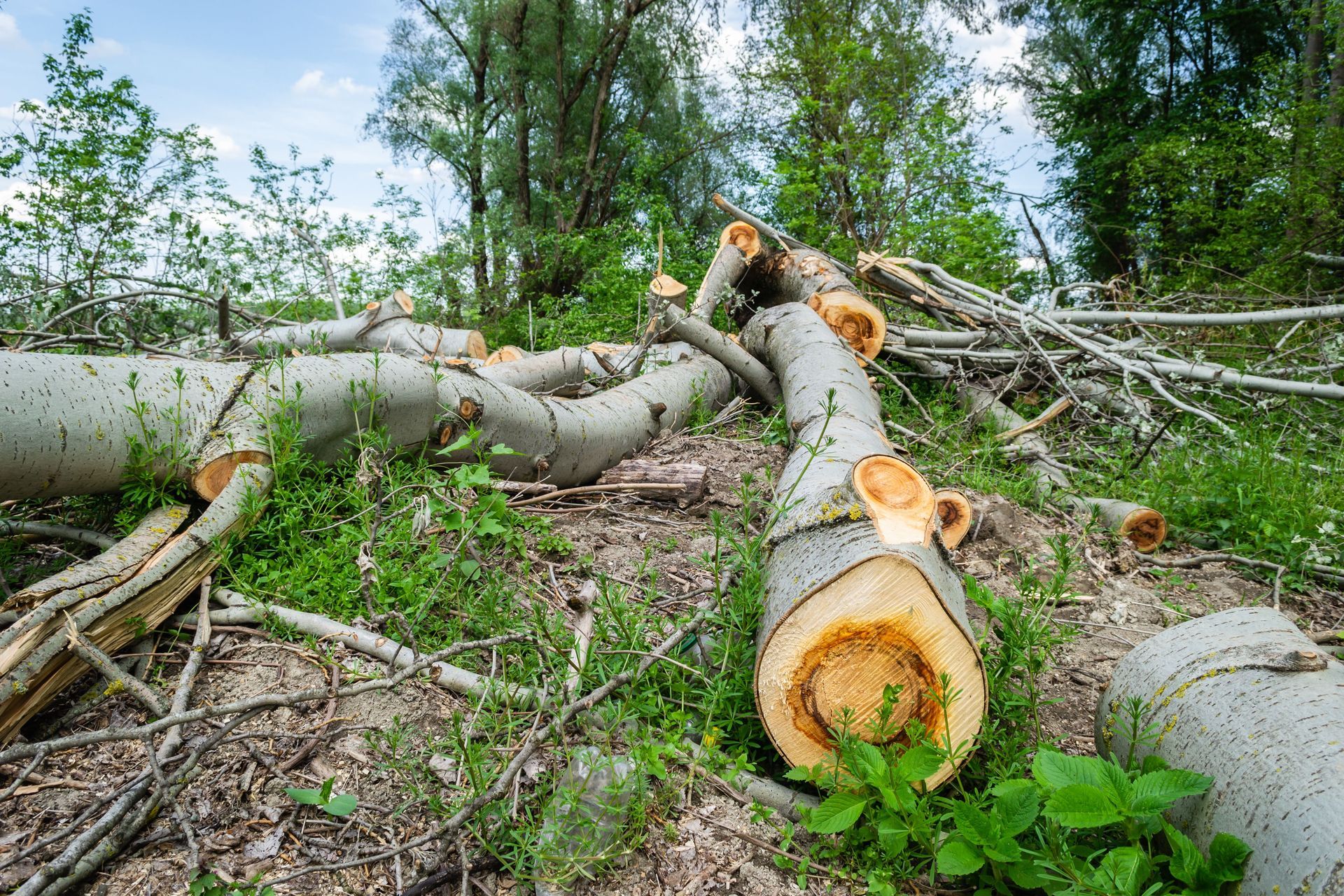
Because Dubbo doesn't run a general private-land TPO, most standard tree removals can proceed without a permit, provided the tree isn't on the Significant Tree Register. Think a dying gum in the backyard, a storm-damaged tree leaning towards the house or an overgrown ornamental blocking guttering. This is a genuine point of difference from many NSW councils, where even routine removals require a tree works permit.
Exempt tree removal across NSW typically covers a similar set of circumstances regardless of council: dead or dying trees, trees posing an immediate safety risk and species specifically listed as exempt in a council's DCP, such as certain fast-growing or environmental weed species. Even where a tree is technically exempt, documenting the condition of the tree before removal, with photos or an arborist report, is good practice. It gives you evidence if the removal is ever questioned later.
If you're unsure whether your tree is worth saving in the first place, our blog on the 8 key signs your tree may need removing is a good starting point before you commit to any works.
What Happens If You Remove a Tree Without Approval?
Where approval is required and skipped, most relevantly in Dubbo's case removing a tree from the Significant Tree Register or removing street trees without authorisation, penalties can be serious. Under the Environmental Planning and Assessment Act 1979, courts can impose fines running into six figures for individuals and well beyond that for corporations in the most serious cases, though most matters that reach a local or Land and Environment Court are resolved at a fraction of the maximum. Councils can also issue on-the-spot penalty infringement notices for less serious breaches, and in some cases order replacement planting or ongoing monitoring of a replacement tree.
Beyond the legal risk, unauthorised removal of a significant or heritage tree can't be undone. Council registers exist precisely because some trees can't be replaced on any practical timeframe, which is exactly why checking first matters more than dealing with the consequences after the fact.
How A1 Tree Services Can Help
Working out whether your tree sits on the Significant Tree Register, whether Council needs to be involved for a boundary or development-related removal, or whether you're clear to proceed is often the hardest part of tree removal in Dubbo, not the physical work itself. A certified arborist in Dubbo locals can call on, like the team at A1, can help you prepare documentation and navigate the approval process where it's needed.
We assess the tree, check it against Council's Significant Tree Register and any relevant planning controls, and handle the physical removal safely once you're clear to go ahead, using the right equipment for everything from a single backyard tree to larger commercial jobs. If you're not sure where to start, contact us and we'll help you work out whether your situation requires a permit before any chainsaw starts.
Frequently Asked Questions