What Is An Arborist And What Do They Do?
A1 Tree Services NSW • August 14, 2026
If you have a tree on your property that is looking unhealthy, overgrown or potentially dangerous, you may have heard the term "arborist" and wondered what it actually means — and whether it is different to just calling a tree lopper. The short answer is yes, significantly. Understanding the difference can save you money, protect your property and help you avoid being on the wrong end of a council complaint.
What Is an Arborist?
An arborist is a trained professional who specialises in the cultivation, management and care of trees, shrubs and other woody plants. The role goes well beyond cutting branches — qualified arborists understand tree biology, disease, structural integrity, risk assessment and how trees interact with the built environment around them. In Australia, arborists operate under a recognised qualification framework. A Certificate III in Arboriculture is the baseline trade qualification, while a Diploma of Arboriculture or higher indicates more advanced technical knowledge.
Certified Working Arborists and Registered Consulting Arborists sit at the upper end of the qualification spectrum and are typically engaged for complex assessments, expert reports and council or legal matters. The distinction matters because tree work is genuinely hazardous — both to the people doing it and to the property and people nearby. A qualified arborist brings both the technical knowledge and the safety systems to manage that risk appropriately.
What Does an Arborist Do?
The scope of arborist work is broader than most people realise. It includes practical hands-on services like pruning, removal and stump grinding, but it also includes diagnostic and advisory work that a general tree service does not offer.
Tree risk assessment
One of the most important arborist services is evaluating whether a tree poses a risk to people or property. This involves assessing the tree's structural integrity, any signs of disease or decay, root health and the likelihood of failure under normal conditions or during a storm. Risk assessments are often required by insurers, councils or solicitors following a tree-related incident or before major construction nearby.
Tree pruning and crown management
One of the most common arborist services is professional tree pruning, which keeps trees healthy and reduces risk without compromising structure. Pruning to Australian Standard AS 4373 ensures that cuts are made correctly to promote healthy regrowth rather than cause long-term damage to the tree. Incorrect pruning can leave trees vulnerable to disease, structural failure or premature decline.
Tree removal
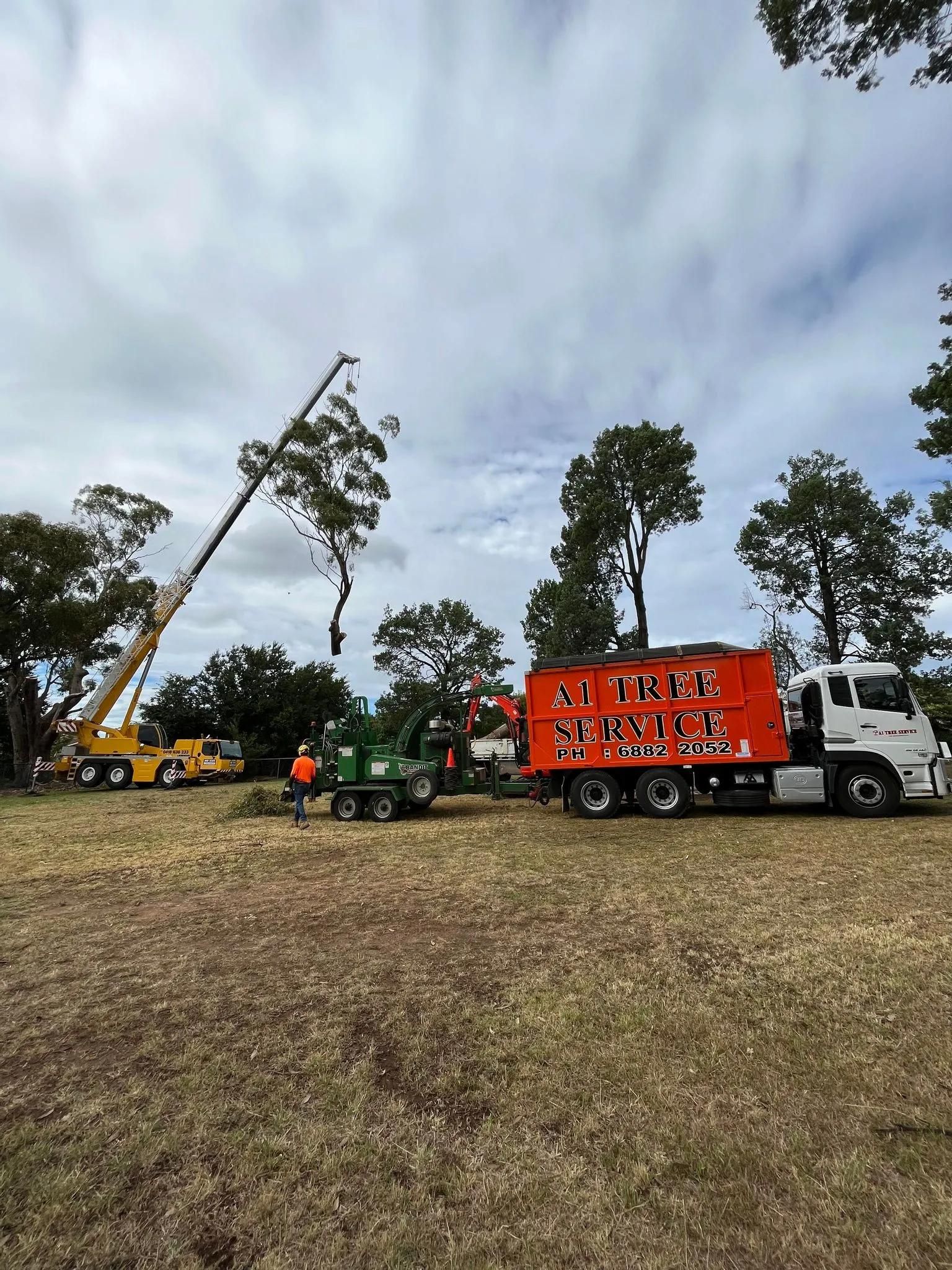
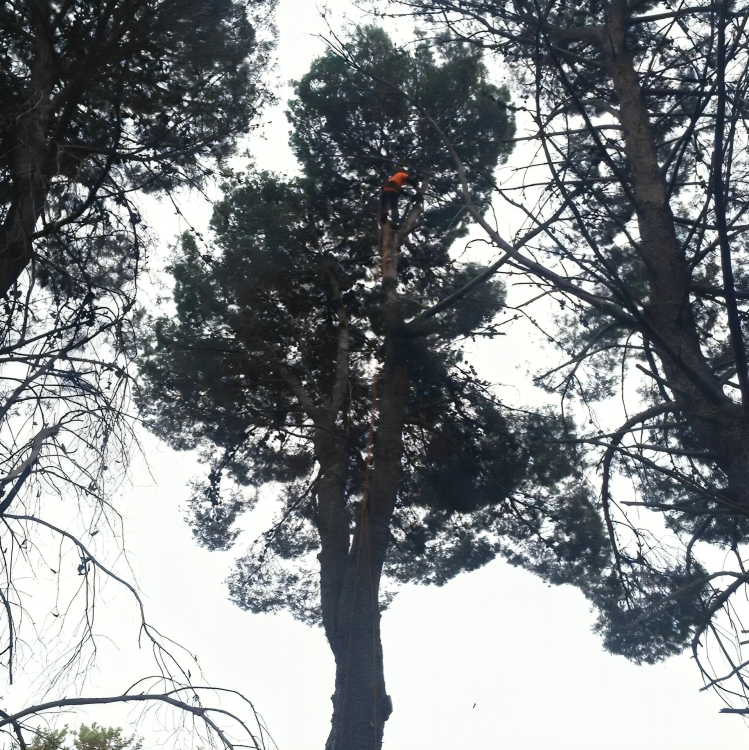
When a tree is dead, diseased, structurally compromised or in a location that creates an unacceptable risk, removal may be the appropriate outcome. Safe tree removal in complex situations — near powerlines, over rooflines, in tight access conditions — requires specific rigging skills, equipment and planning that a qualified arborist is trained to execute.
Stump removal and grinding
Stumps left after tree removal can create ongoing maintenance issues, become a trip hazard, or provide a habitat for pests like termites. Stump grinding removes the stump below ground level, allowing the area to be replanted or paved over.
Planting and establishment advice
An arborist can advise on species selection for a specific site — considering soil type, available space, proximity to structures, climate and the purpose of the planting. Getting species and placement right from the outset avoids costly removal or root damage problems years later.
Land clearing
For development sites or rural properties requiring selective or full vegetation clearing, arborists can assess which trees can be retained and which need to be removed in compliance with local vegetation management regulations.
What Is an Arborist Report?
An arborist report is a formal written document prepared by a qualified arborist that provides an assessment of one or more trees. These reports are commonly required for council development applications, insurance claims, neighbour disputes, pre-purchase property assessments and heritage tree assessments.
A thorough arborist report typically includes:
- Tree species identification and general health assessment
- Structural assessment and risk rating
- Root zone mapping and proximity to proposed works
- Recommendations for management, including retention or removal
- Whether the tree is subject to any council protection or significant tree registers
Arborist reports need to be prepared by a suitably qualified professional for them to be accepted by councils and courts. A report from a non-qualified person or a general tree service is unlikely to meet the standard required for formal purposes.
Arborist vs Tree Lopper: What Is the Difference?
This is one of the most common points of confusion for property owners. A tree lopper is a general term for someone who cuts trees — they may or may not have formal qualifications, and their work may or may not follow industry standards for tree care.
An arborist is specifically qualified in the science and practice of tree management. The key differences in practice:
- An arborist assesses why a tree is in its current condition and what the most appropriate management response is; a tree lopper typically performs whatever task is requested without that diagnostic context
- An arborist pruning to AS 4373 makes cuts that support tree health; unqualified pruning often damages trees through incorrect technique, excessive removal or inappropriate timing
- An arborist can prepare legally recognised reports and assessments; a tree lopper cannot
- An arborist carries appropriate insurance for the scope of tree work they undertake
For routine, low-risk tree maintenance with uncomplicated access, a general tree service may be adequate. For anything involving risk assessment, proximity to structures, council applications, insurance matters or trees with heritage or legal significance, a qualified arborist is the appropriate choice.
We have covered this in more detail in our post on the benefits of hiring a qualified arborist, worth a read if you are weighing up your options.
When Do You Need an Arborist?
Several situations specifically call for a qualified arborist rather than a general tree service:
Council development applications
Most councils require an arborist report as part of a development application where trees are likely to be affected by proposed works. This applies to building construction, extensions, pools, retaining walls and other site works near existing trees.
Trees near powerlines or structures
Work on trees within a certain distance of powerlines is subject to safety regulations and must be carried out by appropriately trained and authorised personnel. Similarly, tree removal or pruning near buildings, fences or other structures requires the risk assessment and rigging competency that a qualified arborist brings.
Hazard trees and insurance
If a tree on your property has failed, shows signs of structural weakness, or has caused damage, insurers may require a formal arborist report to process a claim or determine liability. A report from a qualified arborist is accepted in insurance and legal contexts in a way that a general tradesperson's opinion is not.
Pre-purchase property inspections
Buyers of properties with significant tree cover often commission arborist assessments as part of the pre-purchase process. Understanding the condition and risk profile of established trees — and any significant remediation costs they may carry — is useful information before settlement.
Significant or heritage trees
Trees listed on local council significant tree registers or protected under vegetation management legislation require specific assessment and formal consent before any work can be carried out. An arborist familiar with the relevant legislation and council requirements can navigate this process and prepare the necessary documentation.
When do you not need an arborist?
For straightforward, low-risk pruning or removal of small trees with uncomplicated access and no adjacent structures, powerlines or legal considerations, a qualified tree service without full arborist credentials may be appropriate. The key is understanding what the job actually involves before deciding who to call.
Certified Arborist Services in Central West NSW
If you need a certified arborist in Dubbo and across the Central West, A1 Tree Service has been operating locally since 1991. As a certified arborist Central West NSW and Dubbo property owners have relied on for over 30 years, our qualified arborist NSW team services residential, commercial, council and government clients across the region — from routine pruning and hazard removal through to formal reports and assessments. At A1 Tree Service, we are the arborist Dubbo and Central West NSW property owners trust for professional, safety-focused tree work. Call us or visit https://www.a1treeservicensw.com.au/ to discuss your tree management needs and arrange a free assessment.