The Hidden Dangers Of Delaying Tree Removal
A1 Tree Services NSW • February 23, 2026
When a tree starts to show signs of decline, it can be tempting to put off dealing with it. Life is busy, and unless branches are actively falling, the issue can feel manageable. Yet delaying tree removal in dubbo can expose homes, businesses and families to serious and avoidable risks. What begins as a small crack in the trunk or a slight lean can quickly escalate into structural damage, injury or far greater expense than anticipated.
Damaged, diseased or unstable trees rarely fix themselves. In many cases, the longer a problem is ignored, the more complex and costly the outcome becomes. Understanding the hidden dangers of delay can help you make informed decisions about when to act and why a professional assessment is worth arranging sooner rather than later.
Structural Damage To Homes And Buildings
A compromised tree can pose a direct threat to nearby structures. Over time, weakened branches, hollow trunks and unstable root systems reduce the tree’s ability to withstand wind, heavy rain or even its own weight. When failure occurs, it is often sudden.
Professional arborists assess structural integrity, canopy weight distribution and root stability to determine whether pruning, bracing or full removal is the safest option. In situations where the tree is beyond recovery, prompt removal prevents avoidable damage.
Potential structural risks include:
- Branches crashing onto roofs or vehicles
- Trunks splitting and collapsing onto fences or sheds
- Roots lifting driveways, paths or foundations
- Gutters and solar panels damaged by falling debris
Ignoring visible warning signs can turn a manageable maintenance job into an insurance claim and significant repair bill.
Increased Risk Of Personal Injury
A failing tree does not just threaten buildings. It can also endanger anyone nearby. Children playing in the yard, visitors walking along pathways or tradespeople working around the property may be at risk if a branch drops without warning.
Arborists are trained to identify hazards that are not always obvious to the untrained eye. Internal decay, fungal growth or pest infestations can weaken timber from the inside out, making limbs unstable even if they appear solid.
Common injury hazards include:
- Dead branches snapping during mild wind
- Entire trees toppling due to root failure
- Sharp splintered timber falling from height
- Limbs striking vehicles or people below
Taking early action reduces the likelihood of accidents and protects both residents and guests from preventable harm.
Escalating Removal Costs Over Time
Many property owners delay removal to save money. Ironically, waiting often increases the total cost. As a tree deteriorates, it becomes more dangerous and complex to remove safely.
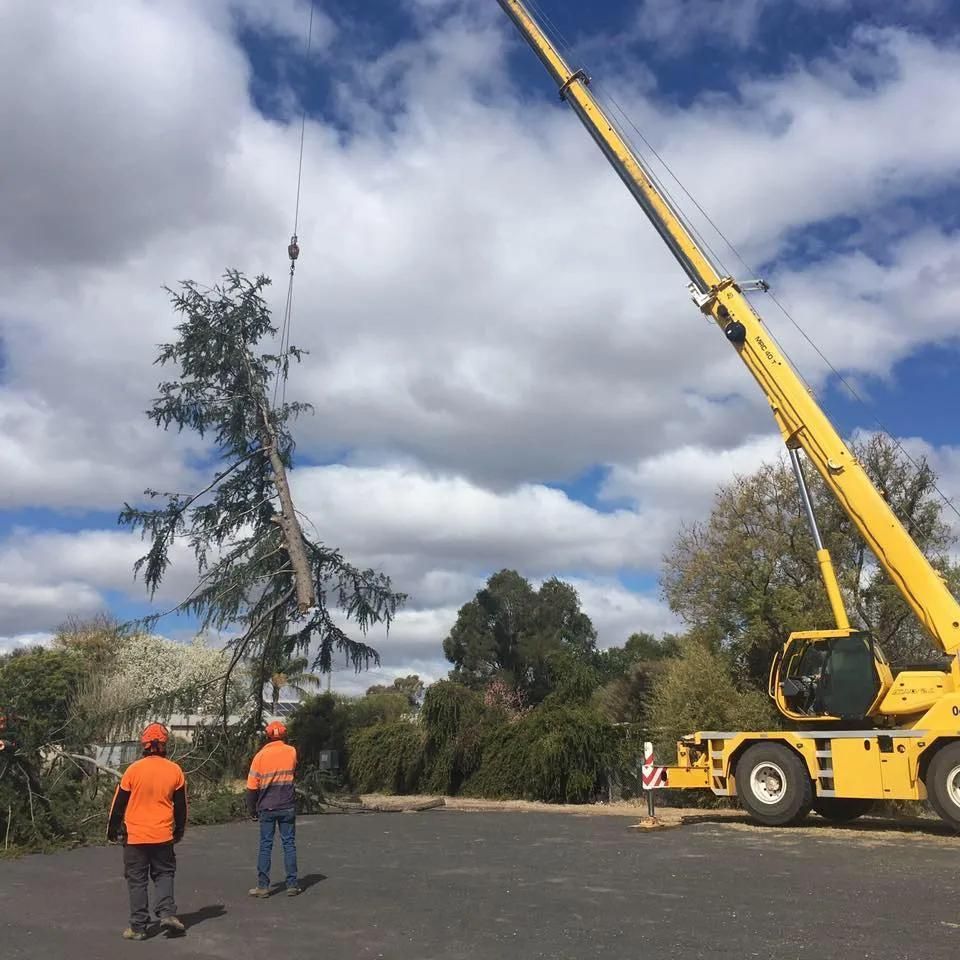
Specialised equipment such as cranes, elevated work platforms or additional safety measures may be required if the tree’s condition worsens. Emergency callouts after storm damage also tend to cost more than planned removals scheduled in advance.
Delays can lead to:
- Larger sections of timber requiring controlled dismantling
- Emergency removals outside normal business hours
- Additional labour due to unstable structures
- Damage clean-up and debris management
Early intervention allows arborists to plan the safest and most efficient approach, often reducing overall expense.
Hidden Internal Decay And Disease Spread
Not all tree issues are visible on the surface. Fungal infections, rot and pest infestations can spread internally long before external symptoms become obvious. By the time leaves discolour or branches die back, the structural integrity may already be compromised.
Professional tree services include thorough inspections that assess canopy health, trunk stability and root condition. Where removal is necessary, it prevents disease from spreading to nearby healthy trees.
Delaying removal of a diseased tree can result in:
- Infection spreading through root systems
- Increased pest activity in surrounding vegetation
- Loss of multiple trees instead of one
- Greater long-term landscaping costs
Addressing the issue early protects the broader health of your property’s landscape.
Storm Vulnerability And Severe Weather Impact
Severe weather places significant stress on trees. Strong winds test root stability while heavy rain can soften soil and reduce support. A tree that might withstand calm conditions can fail dramatically during a storm.
Pre-storm assessments are a proactive way to identify trees at risk. Arborists evaluate lean angles, soil movement and canopy balance to determine whether removal or structural pruning is required.
Weather-related risks include:
- Uprooting due to saturated soil
- Large limbs tearing away under wind pressure
- Secondary damage from falling debris
- Power line interference and outages
Acting before severe weather hits minimises the chance of emergency situations and costly aftermath repairs.
Legal And Insurance Implications
Property owners have a responsibility to maintain reasonably safe premises. If a tree that was clearly unstable causes injury or damage, questions may arise about whether preventative action should have been taken.
Insurance providers may also examine maintenance history when assessing claims. Documented professional inspections and timely removals demonstrate responsible property management.
Potential implications of neglect include:
- Liability claims from injured parties
- Disputes with insurers over preventable damage
- Costs not covered due to lack of maintenance
- Ongoing neighbour disputes if shared boundaries are affected
Proactive assessment and removal where necessary provide peace of mind and reduce legal exposure.
Impact On Surrounding Landscaping And Infrastructure
Large trees exert significant influence over their environment. Expanding root systems can disrupt plumbing, drainage and underground services. Overgrown canopies may block sunlight, affecting lawns and garden beds.
Tree removal services consider not only the tree itself but also how it interacts with the wider property. Controlled dismantling techniques protect nearby plants and structures while ensuring safe extraction of roots where required.
Consequences of delayed action may include:
- Cracked pipes or blocked drainage
- Damage to retaining walls
- Compromised irrigation systems
- Reduced growth in surrounding plants
Addressing problematic trees early can preserve the integrity and appearance of your entire landscape.
Professional Assessment Versus DIY Risk
Attempting to manage a dangerous tree without proper equipment or training can create far greater hazards. Chainsaws, elevated cutting and unstable timber are a risky combination without professional expertise.
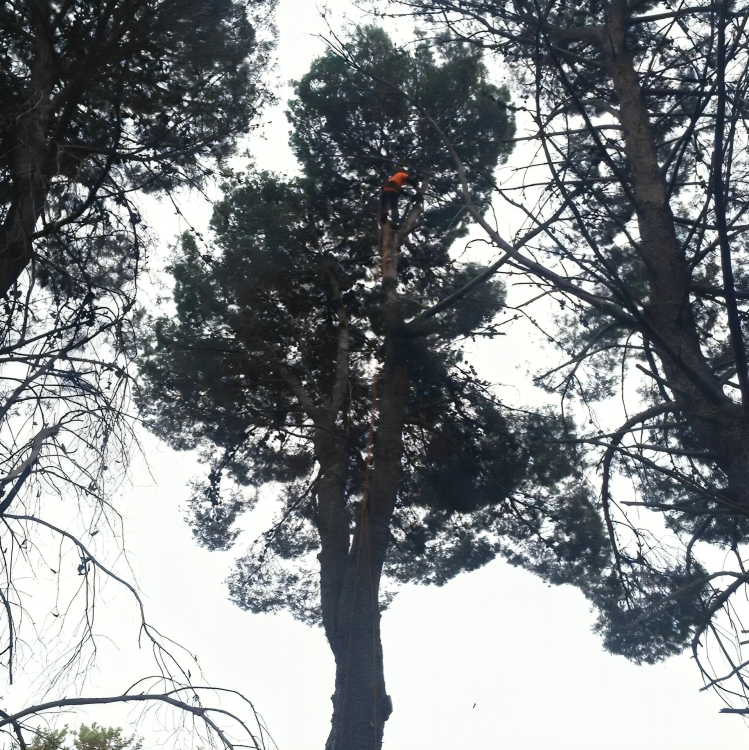
Qualified tree removal specialists follow strict safety protocols. They use appropriate rigging systems, protective equipment and machinery designed for controlled dismantling in confined spaces. Their experience allows them to anticipate how timber will shift under load and how to minimise risk during the process.
Professional services typically include:
- Detailed site inspection and hazard identification
- Safe sectional dismantling of large trees
- Stump grinding to remove residual root systems
- Responsible waste removal and site clean-up
Choosing expert support protects both people and property while ensuring the job is completed efficiently and safely.
If you have noticed warning signs such as leaning trunks, cracking soil, dead branches or visible decay, it is worth learning more about the indicators that suggest removal may be necessary. You can explore further guidance here: 8 Key Signs Your Tree May Need Removing.
Taking Early Action Protects What Matters Most
Trees add beauty, shade and value to a property, but when they become unstable or diseased, the risks outweigh the benefits. Delaying action can lead to structural damage, personal injury and higher costs than a timely assessment would have involved. Early professional advice provides clarity, safety and long-term savings.
We at A1 Tree Service NSW provide professional tree removal dubbo property owners can rely on for safe, efficient and fully managed solutions. If you are concerned about a damaged or unstable tree in Dubbo, visit the website to arrange an assessment and take the next step towards protecting your home and family.